REFLECTIONS: THE LOW END THEORY [35 YEARS LATER]
©JIVE RECORDS
REFLECTIONS is where we look back at the albums that shaped culture, challenged convention, and stood the test of time. Through anniversaries and milestones, we revisit these projects to reflect on their impact, legacy, and what they mean to us today.
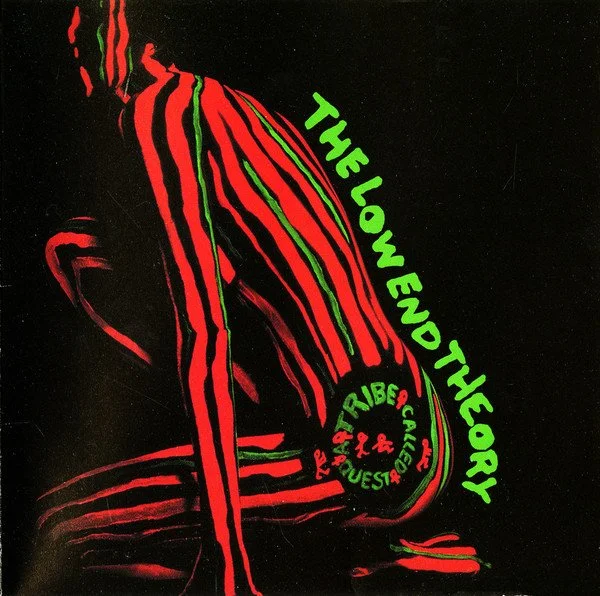
Thirty-five years later, The Low End Theory remains A album THAT refined the group’s sound into something deeply innovative. From the bass-heavy production to the chemistry between Q-Tip and Phife Dawg, The Low End Theory became more than an album—it became a blueprint whose influence continues to echo throughout hip-hop and beyond.
REFLECTION WRITTEN BY : DEKIVION B
©JIVE RECORDS
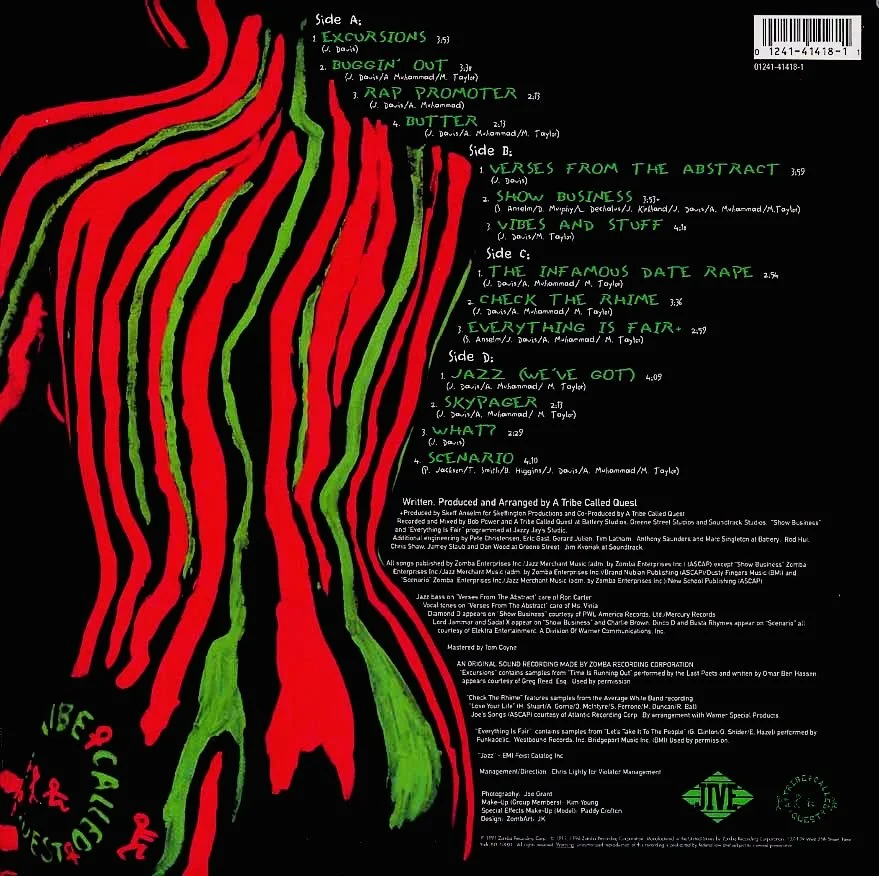
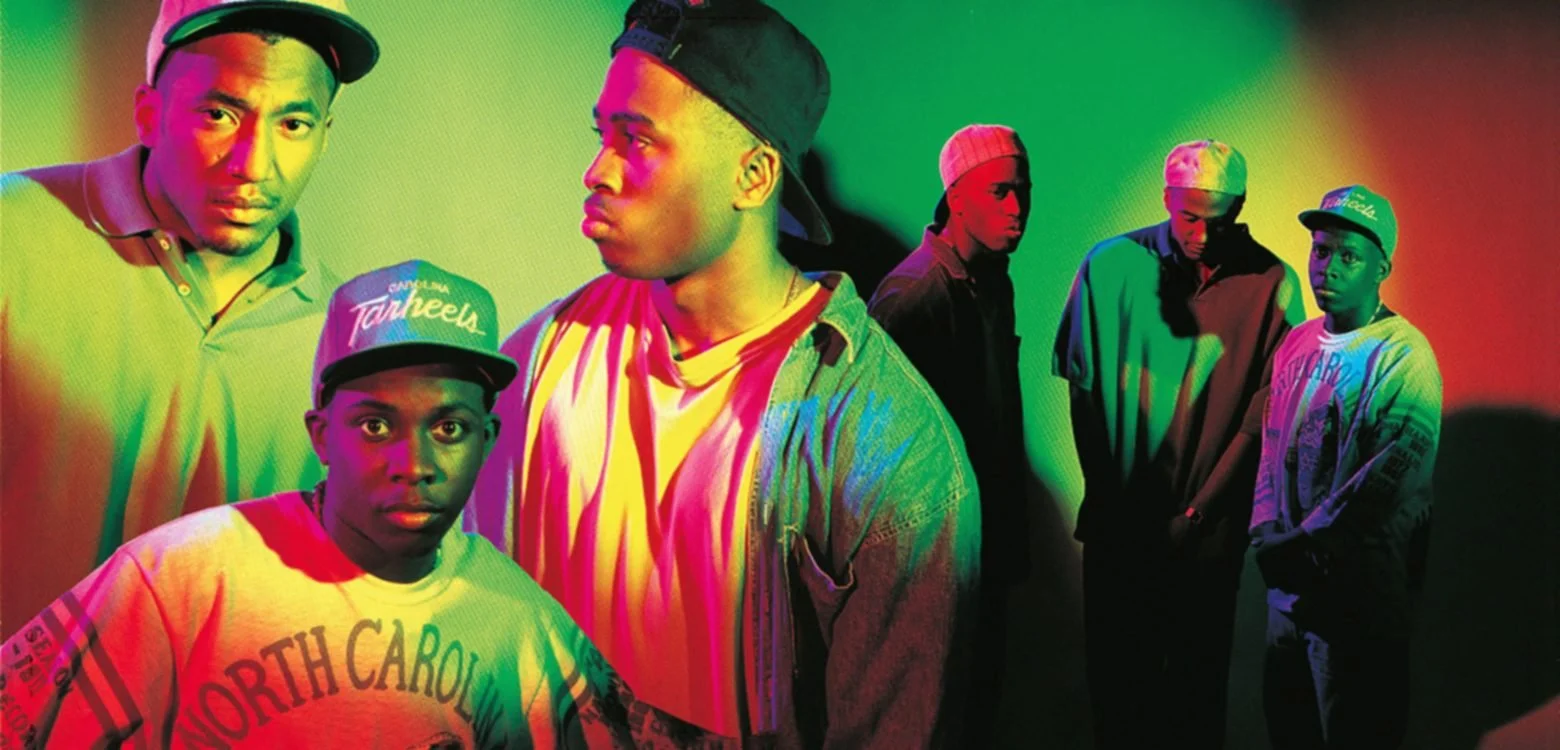
Released on September 24, 1991, The Low End Theory stands as one of A Tribe Called Quest’s defining statements and a landmark of hip-hop. Built around Q-Tip and Phife Dawg’s chemistry, Ali Shaheed Muhammad’s production and the influential jazz-bass work of Ron Carter, the album fused laid-back grooves with sharp lyricism and a distinctly minimalist sound. Tracks like “Scenario,” “Jazz (We’ve Got)” and “Check the Rhime” helped establish its lasting influence, while its blend of jazz, soul and hip-hop continues to resonate decades later. 35 years on, The Low End Theory remains a defining document of the Native Tongues era and one of the albums that helped expand the possibilities of hip-hop.
©JIVE RECORDS
This is another one of those albums that is engraved inside my cerebral cortex. Being a millennial, you would think The Low End Theory isn’t even supposed to be on my radar. Luckily for me I had a mom with great ears, and she constantly introduced me to new music that would become a part of my life — and she didn’t even know it. Introducing me to A Tribe Called Quest was one of those times.
I believe my first introduction to Tribe had to be “Electric Relaxation” from The Midnight Marauders album. Being the theme song to The Wayans Bros. show, I’d heard the track growing up watching reruns, but later on in life, as my brain started to develop, one night I went to my mom’s room and the video to “Electric Relaxation” came on. It was as if she hadn’t heard it in so long; she started to turn it up and sing along word for word.
For the kids that aren’t familiar with how TV used to work, this was back when we had designated music video channels on cable and they would play them for several hours at a time. Being the curious mind that I tend to be, I, of course, went to YouTube, looked up the track, and began to jam in my own time.
Fast forward a bit to high school: the idea of music streaming is now starting to kick in with apps like Pandora. Spotify & Apple Music hasn’t even started yet. While listening to similar-artist radio channels—Wu-Tang Clan, De La Soul, etc.—the track “Jazz (We’ve Got)” began to play, and I couldn’t believe my ears. To this day I have that same feeling; it is one of the most beautifully produced records I have ever heard. When that Pete Rock sample kicks in, it reels you right into the sonics. I was hooked right then and there and had to find more music like that.
In comes The Low End Theory. These days it’s very attainable to find an album in full, but there was a time when you had to buy it, OR if you tried to find it on YouTube they didn’t have the entire thing. So I discovered the rest of The Low End Theory in pieces on Pandora—“Excursions” here, “Vibes AND STUFF” there, and so on. This is, as you can see, one of my favorite albums, period. From the sonics to the album cover to the videos—everything. There is a reason why this album is in the Library of Congress. I CANT EVEN PICK STANDOUTS FOR THIS ALBUM, THE ENTIRE ALBUM IS A STANDOUT. I hope that the following generations discover and appreciate this timeless work of art as I did as a 16-year-old kid. I can’t thank Tribe enough for their contributions to this genre. But today we’re going to thank them for giving us The Low End Theory. REST IN PEACE TO PHIFE DAWG FOREVER AND EVER.